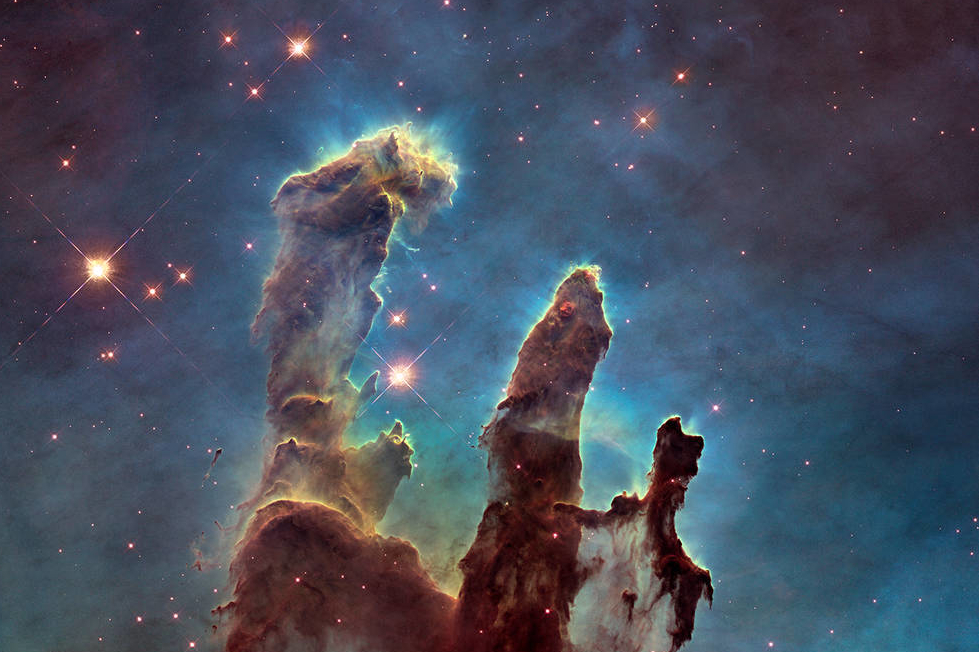
apokalysis, the Greek word for “revelation”, means not “ending” but “unveiling”…not “closure” but “disclosure” – that is, opening. A chance to open our eyes? But to what?
-Ayana Mathis, “Imprinted by Belief: Apocalypse” NYTimes book review April 21 2024
Only four weeks ago we began again to immerse ourselves in the endless sea of Torah study, by starting over with Bereshit, the first words of the first book. This week’s parashat hashavua is named VaYera, “s/he sees”. In it we encounter a narrative pre-occupied with pregnancy and birth.
In this parashah there are at least two female characters, and a revolving cast of males; one, or possibly two, conceptions which are created by the meeting of divine and human; and to make it more curious, it’s not clear who is human and who is divine.
And you thought that you saw a clearcut story of the patriarch Abraham settling down in the land of Canaan? but that is just a later overlay of interpretation, facilitated by translation, abetted by editing and redaction of text. The original strands of the story, as far as scholars are able to trace them, are very much in line with other Mesopotamian myths of origins: in all of them, humans are descended from divine beings, and it’s not clear how much of each of us is from each of those categories.
Or, as Carl Sagan put it, we are all made of stardust; as HaShem hints to Abraham last week, back in Genesis 15.5:
וַיּוֹצֵ֨א אֹת֜וֹ הַח֗וּצָה וַיֹּ֙אמֶר֙ הַבֶּט־נָ֣א הַשָּׁמַ֗יְמָה וּסְפֹר֙ הַכּ֣וֹכָבִ֔ים אִם־תּוּכַ֖ל לִסְפֹּ֣ר אֹתָ֑ם וַיֹּ֣אמֶר ל֔וֹ כֹּ֥ה יִהְיֶ֖ה זַרְעֶֽךָ׃
[HaShem] took him outside and said, “Look toward heaven and count the stars, if you are able to count them, so shall your offspring be.”
What we see, in other words, is what we are expecting to see, or are prepared to see – or are told that we see. On this Shabbat, what do you see?
Something is being born. But something is always being born. Some of us may see only a growing storm, and darkness slouching our way (and our local Portland weather certainly encourages that impression!). But what we see in our lives and in our future is as tempered by our expectations, and our fears, and our hopes, as is our sense of what we see when we read Torah.
This parashat hashavua, the “reading of the week”, is all about the future and how to meet it. How to see it, how to nurture what is born, how to respond to what one sees – and what it looks like to fail in that work. Abraham is an extended example of this. In several places HaShem has to keep correcting him: “listen to your wife [she’s right]” (Gen. 21.12) and “don’t touch the boy!” (Gen. 22.12). In others he gets himself in trouble by lying, and HaShem has to rescue him.
Now see: look at Sarah and at Hagar; by the end of this parashah, both are mothers of children who are each blessed by HaShem to be the progenitor of a nation. This is Torah-speak for success and happiness. Look at the results; look where the women stand at the end of this story. Consider all you thought you knew about this famous and infamous parashah.
Sometimes Torah learning consists of discovering how much we have not seen, or how much we have seen incorrectly. On this Shabbat of apprehension and dread over what is to come in this country, consider the strength – and the obstruction – of what you want to believe you see, and what those who would manipulate your vision are offering you, in the messages you observe, in all the media you are exposed to.
Those who would rule over you first must convince you that no other future can be envisioned. If unveiling new views of Torah demonstrates anything, it is that nothing, nothing that you believe to be inevitable is necessarily so. This is the ultimate holiness of the text: it is powerful because it cannot and will not be distilled down to one message. That is not only frustrating, it is also endlessly hopeful.
Tonight light your Shabbat candles in the name of hope, and in their light may you see light.
 Torah for the 21st Century by Rabbi Ariel Stone