Shabbat Hanukkah 5786: What Are The Odds?

“Courage is knowing you’re licked, and remaining steadfast until the very end anyway.” – Harper Lee

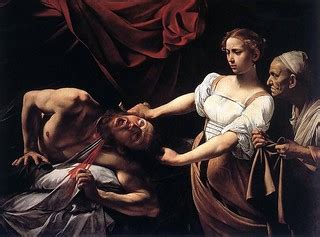
One of those who didn’t stop to calculate her odds was Judith of Betulia, a heroine whose story is associated with Hanukkah. Her bravery was a favorite subject of Renaissance art. Pictured: Caravaggio’s “Judith beheading Holofernes” (Creative Commons)

This is the Shabbat of Hanukkah 5786. Every year it is dark when we load up our Hanukkah menorahs with candles, or oil, or whatever we’re using. This holy day period invokes sun in the midst of rain and snow, light in the dark days of winter. To light a single candle, we remind each other, is to banish the darkness. Every night we light another candle, reminding ourselves that the days will once again grow longer, and the light of our days grow greater.

Hanukkah started on December 14 at sundown; it seems not inappropriate that, this year, the last day of Hanukkah is on the shortest, darkest day of the year.  This year, our celebration of Hanukkah was marked with tragedy already on its first day. Fifteen people were murdered, and forty-one more – including children – hospitalized, in an attack on a Hanukkah gathering in Australia. 

May the memory of the murdered remain as a blessing; may those who suffer be soothed. May the heroism of Syrian-Australian Ahmed al-Ahmed, who disarmed one of the shooters and was shot in the process, be lifted up and may he find complete healing.

This year, lighting a single candle, followed each night by another small light, seems either especially brave, or especially naive. 

This year, our spiritual resilience requires better support than the comfort food of latkes and sufganiyot

This year, I invite you to consider the details of the Hanukkah story. In reality, there was no “miracle of oil” and no divine intervention; the story is human, and complicated. One of the strands of the real story is about the intraJewish fight over Hellenistic culture; another is about the willingness to defy evil in the face of overwhelming odds. 

Where does a person find the courage to do anything at all, much less act heroically, when all seems dire? Our special haftarah for this Shabbat of Hanukkah contains a famous phrase often invoked at times like this: “not by might, nor by power, but by spirit”. 

זֶ֚ה דְּבַר־ה’ אֶל־זְרֻבָּבֶ֖ל לֵאמֹ֑ר לֹ֤א בְחַ֙יִל֙ וְלֹ֣א בְכֹ֔חַ כִּ֣י אִם־בְּרוּחִ֔י אָמַ֖ר ה’ צְבָאֽוֹת׃ 

“This is the word of HaShem to Zerubbabel: Not by might, nor by power, but by My spirit—said HaShem of Hosts.  (Zekharyah 3.6)

In other words, the prophet is saying that we should rely neither upon government action (Rashi) nor some special protected status (Abravanel), but only upon HaShem’s רוח “ru’akh”. This ancient Hebrew word means “spirit” as well as “wind” and can refer as well to feeling or attitude. 

Since the term ru’akh can refer to the human being as well as the Hashem, in which the human is made, it follows that we are being told to rely upon that aspect of ourselves which is most like HaShem. Zekharyah helpfully supplies a definition for us later in his prophecies:

אֵ֥לֶּה הַדְּבָרִ֖ים אֲשֶׁ֣ר תַּֽעֲשׂ֑וּ דַּבְּר֤וּ אֱמֶת֙ אִ֣ישׁ אֶת־רֵעֵ֔הוּ אֱמֶת֙ וּמִשְׁפַּ֣ט שָׁל֔וֹם שִׁפְט֖וּ בְּשַׁעֲרֵיכֶֽם׃ וְאִ֣ישׁ ׀ אֶת־רָעַ֣ת רֵעֵ֗הוּ אַֽל־תַּחְשְׁבוּ֙ בִּלְבַבְכֶ֔ם וּשְׁבֻ֥עַת שֶׁ֖קֶר אַֽל־תֶּאֱהָ֑בוּ כִּ֧י אֶת־כׇּל־אֵ֛לֶּה אֲשֶׁ֥ר שָׂנֵ֖אתִי נְאֻם־ה’

These are the things you are to do: Speak the truth to one another, render true and perfect justice in your gates. And do not contrive evil against one another, and do not love perjury, because all those are things that I hate—declares HaShem. – Zekharyah 8.16-17

It is understandable that in the wake of the Bondi Beach Hanukkah massacre, some might descend into anger, or a desire for vengeance, or even maneuvering for political capital. But neither these choices, nor the reliance upon government funds to buy us bulletproof glass for our building, nor a groupthink majority attitude that forbids any one of us to fall out of lockstep, will support and sustain us in these dark times. Only divine ru’akh, remembering that we are created in the image of the Highest and are capable of acting in that image, will help us envision light in this darkness.

Acting for the world we wish to live in, rather than the world we have, is not dependent upon the odds that we will live to see that world. Just that it’s all that is worthy of our lives, and our courage.

Shabbat VaYetze 5786: We Are All Diminished

“When a righteous person leaves a city, its glory, its splendour and its beauty depart from it.” (Rashi, citing Bereshit Rabbah 68.6)

Our parashah begins in terror: Jacob is running from certain death. We put it in more elegant ways in different translations, but the truth is that our ancestor was a refugee,  running away, not running toward. He did not have the luxury of choosing a destination. He was simply, desperately, hoping to remain alive.

Jacob is a symbol. There are times in our lives when we have the luxury of planning a destination; at other times, we just know we need to move. At the worst of times, questions of what we deserve and where to apportion guilt become clouded over with a kind of social madness that sheds blood and destroys lives without any kind of “due process.” Sadly, too many of our neighbors and friends are experiencing exactly this reality right now, in our midst. 

We are offered a new way of understanding our own history, and our inherited trauma, when we see it echoed in the lives of others. Now we might more thoughtfully be able to answer the questions that have lived in our minds since the Shoah: how is it possible to stand idly by the blood of one’s neighbor? Why didn’t more people do something to help? And why didn’t the victims fight back?

These questions seem altogether different in the glaring light of our own day. With more than a half-century’s worth of Holocaust education and activism for justice in our immediate past, in these days we face the humbling truth that, as my Palestinian peace activist friend says, “it’s complicated.” There is no single individual who will turn the tide and save the day, despite what all the fairy tales promise; there are no easy answers to the questions of what is wrong, what happened, and what can we do.

Consider all the challenges that face us when someone desperate for safety and shelter appears among us:

Am I aware of the immediate need, or just the general situation?

If I am able to assess the need of the moment, do I have the ability to respond?

Do I have the resources, or access to them, that are needed?

Do I have the inner resources? 

Do I have the freedom from other responsibilities to risk myself by standing between the vulnerable and the evil that pursues them?

Will I suffer if I help them, and am I prepared for that possibility?

Am I spiritually, constitutionally, able to help?

There are reasons why people do not flee. A Palestinian friend of mine admits that his friends have started to seek refugee status; Spain is a welcoming place, for example. But he will not go: “my mother is not well, and she needs me.” 

There are reasons why people do not step up. A neighbor in Portland feels constrained by her primary responsibility to her children; who will care for them if she is jailed for protesting, or hiding refugees from deportation agents? 

And there are reasons why we do not act: in many cases, the evil that is happening does not knock at our front door. We go on about our daily lives, we who are not yet touched, beyond the audible reach of the cries of the persecuted.

Clearly, this is a time to soberly recognize the real complications of real life. There are so many refugees, so many innocents whose lives are at risk – immigrants, the houseless, our Black friends, our Trans siblings and our neighbors of color. Against the organized forces of evil it is not that easy to take a stand; the natural inclination is, rather, to stand aside, that one might survive the onslaught that one, alone, cannot stop.

We, who at this moment are lucky enough not to need to run without even knowing our destination, have an ongoing responsibility to life, to guard its preciousness where we are able, and to bear witness where we are not. In order to do this we must have a sense of grounding, so that we can feel our feet firmly planted, so as to bear the weight of witnessing, of discerning where one can act, and, most of all, so as to survive the humbling disappointment of not being able to save the world.

Our cities are diminished when innocent, righteous people are disappeared by the forces of evil in our midst. Thus the teaching that Rashi transmits:

“When a righteous person leaves a city, its glory, its splendour and its beauty depart from it.” (Rashi, citing Bereshit Rabbah 68.6)

With each ICE kidnapping, we are all diminished. May those of us who are able to do something find a way to do it; may those who cannot, recognize the importance of what we still can do: bear witness to what is happening. Do not diminish the terror of others.

Stand grounded in your life; know your value: you can do something. You can tell the story. This is the most Jewish of aspirations: to not let those who disappear be forgotten. Not to let fear spread a blanket of silence. 

Shabbat Hayye Sarah 5786: Times Are Hard

מצווה גוררת מצווה ועבירה גוררת עבירה, ששכר מצווה מצווה ושכר עבירה עבירה” (נפש החיים א, יב).

It is as the Sages have said (Pirke Avot 4.2), “A mitzvah brings another mitzvah and a sin brings another sin, for the reward for a mitzvah is a mitzvah, and the punishment for a sin is a sin” – R Eliezer Melamed, Peninei Halakhah

I am resuming my weekly erev Shabbat email after a 2-month hiatus and hope that you’ll once again welcome my parashah-related offerings in your inbox.

This week’s parashat hashavua begins with this report: Sarah, the matriarch of the Jewish people, has died. 

וַיִּהְיוּ֙ חַיֵּ֣י שָׂרָ֔ה מֵאָ֥ה שָׁנָ֛ה וְעֶשְׂרִ֥ים שָׁנָ֖ה וְשֶׁ֣בַע שָׁנִ֑ים שְׁנֵ֖י חַיֵּ֥י שָׂרָֽה׃ וַתָּ֣מׇת שָׂרָ֗ה בְּקִרְיַ֥ת אַרְבַּ֛ע הִ֥וא חֶבְר֖וֹן בְּאֶ֣רֶץ כְּנָ֑עַן וַיָּבֹא֙ אַבְרָהָ֔ם לִסְפֹּ֥ד לְשָׂרָ֖ה וְלִבְכֹּתָֽהּ׃ 

Sarah’s lifetime amounted to one hundred and twenty-seven years. Sarah died in Kiryat-Arba, now Hebron, in the land of Canaan  – Genesis 23.1

The fact that Sarah lived to the age of 127 according to the text has piqued the interest of many commentators on the text; they seek a deeper than surface meaning for the specificity of the number. 120 is the age that Moshe Rabbenu reached; should that be a comparison? Then there’s the 127th Psalm, which starts “if HaShem does not build the house, the builders labor in vain.” Commentary on her marriage?

Rabbi Akiba, once upon a time, found another way to drash this text. Joined in study one day with his community, he was seeking a way to “wake them up”, to change their mindset. Why? Because at the time, the story goes, it was very difficult for the Jewish people to get excited about doing mitzvot and good deeds. Their morale had been hollowed out. Oppressed by the Roman Empire, they were in despair:

“Many of the best of the people had been killed. Many more, having been persuaded by the idea of faith based upon reward and punishment, could not understand the logic behind the terrible suffering that had come upon them, nor could they see an end to it. Because their faith was based upon reward and punishment, it was waning.” (Yalkut Yehudah, Shemot 32.13)

Rabbi Akiba offered this thought out of left field: 

“Why was Esther seen fit to reign over one hundred and twenty-seven provinces? The explanation is: Let Esther, who was a descendant of Sarah, who lived one hundred and twenty-seven years, come and reign over one hundred and twenty-seven provinces.” (Bereshit Rabbah 58.3)

How many generations are there between Sarah our Mother and her descendant, Esther, Queen of Persia? If the story of the Megillah is based upon any historical resonance at all, it could only be after the destruction of the First Jerusalem Temple in 586 BCE. Sarah’s lifetime is associated with the early Bronze Age (beginning around 3300 BCE). 

That’s a long way downstream. In other words, Rabbi Akiba is saying that when you do something, don’t expect to experience the result – the “reward” for your effort – right away. Teachers, farmers and anyone else who through their work in the world plants a seed – real or metaphorical – has to be willing to believe in results that they may very well not see. You have to be willing to believe in a “downstream”, a future, or even just another place where you do not live, as a reality that is linked to you.

The horizon is only a few miles away, and no one can see further than the curve of the earth, even on a clear day. The world is bigger than our intelligence can grasp or our hearts can fathom. Where it may seem more hopeless than we would like to imagine, there may also be more reason for hope than we can possibly entertain at times like his, and, perhaps, ours.

The Hebrew term used for us when our name is mentioned after we’re dead, zikaron l’vrakha, “may the memory be a blessing” is linked to this knowledge: who we are and what we do resonates after we are no longer around. It’s not very satisfying, but our only other option, “seeing is believing,” is perilously close to giving up on the idea that we can make a difference at all. Seeing is an imperfect sense, anyway, and logic is not a sufficient option for those whose identity is rooted in Jewishness. Jewish meaning is built upon the idea that doing mitzvot matters, not only for the world around us but for our own inner sense of purpose. For whatever is downstream, in gratitude for the fact that we ourselves are downstream from someone else, who planted for us.

The challenge is to believe that what we do matters, even when we can discern no direct proof, or when it seems not likely to be enough, anyway. שכר מצוה מצוה – s’khar mitzvah mitzvah, “the reward of the mitzvah is the mitzvah (itself)”. In these difficult days, may you find the strength you need to keep the faith, and to continue to know that it does matter: the small things you do will make a difference. 

Shabbat Nitzavim: Be Consoled

In this week’s parashah, the scene is set at the beginning:

אַתֶּ֨ם נִצָּבִ֤ים הַיּוֹם֙ כֻּלְּכֶ֔ם לִפְנֵ֖י ה’ אֱלֹ-יכֶ֑ם רָאשֵׁיכֶ֣ם שִׁבְטֵיכֶ֗ם זִקְנֵיכֶם֙ וְשֹׁ֣טְרֵיכֶ֔ם כֹּ֖ל אִ֥ישׁ יִשְׂרָאֵֽל 

You stand this day, all of you, before your G!d ‘ה —your tribal heads, your elders, and your officials, every person in Israel (Deut. 29.9)

The narrative which follows indicates that a covenant is being made on that very day, and not only with those who were present:

כִּי֩ אֶת־אֲשֶׁ֨ר יֶשְׁנ֜וֹ פֹּ֗ה עִמָּ֙נוּ֙ עֹמֵ֣ד הַיּ֔וֹם לִפְנֵ֖י ה’ אֱלֹ-ינוּ וְאֵ֨ת אֲשֶׁ֥ר אֵינֶ֛נּוּ פֹּ֖ה עִמָּ֥נוּ הַיּֽוֹם

both with those who are standing here with us this day before our G!d ‘ה and with those who are not with us here this day. (Deut. 29.14)

That’s how it has always been for us; we were all there, in some way. An old Jewish tradition cheerfully speculates that if you feel you know someone you’ve never met, perhaps you were standing near them at Sinai.

The people are not actually at Sinai in this parashah, but standing on the edge of the land they had traveled forty years to see. Depending on which scholar you ask, this is the second or maybe third “covenant moment” described by the Torah. But for those of us who feel we are inheritors of this story, it doesn’t matter. We may have been in the south Sinai wilderness or we may have been at the steppes of Moab, it’s not about the geography of the land – but rather of the heart.

This is the seventh and final Shabbat of the Seven Weeks of Consolation that bring us from the depths of sadness and despair which characterize Tisha B’Av, all the way (up?) to the New Year. As we will recite in the liturgy, “may the old year and its curses end, may the new year and its blessings begin!”

Are you consoled yet? Maybe not, if consolation requires healing or signs of a great victory over the evil of our days in the offing. Yet our tradition insists that we celebrate Rosh HaShanah together and seek joy – and believe in its reality – in the New Year. 

Our parashah reminds us of the grounding for that joy: we are all standing here together, or, as we repeat whenever we celebrate a brit mitzvah,  כל ישראל ערבים זה לזה “we are all guarantors for each other.” This doesn’t mean that we are one in opinion (has v’halilah, G!d forbid), but rather that we all have our place.

What is this holy geography? Certainly, it’s somewhat rocky and full of surprises, with a challenging terrain of questions and problems. Just as our ancestors experienced at this time, the geography of our hearts is uncertain and our way forward is unclear. 

But we are not alone and naked of meaning. We are blessed with belonging to a rich, complicated, and spiritually endless story, of which we are an integral part. We, too, after all, stood at Sinai. We, too, inherit and carry on. 

There is a kind of joy in having a place, in not being alone in a meaningless void. It doesn’t make the problems of life all better, but it is a support that can help us maintain our sense of self and purpose when the days we face are too bitter with fear to meet alone. 

According to another very old Jewish teaching, HaShem tells us what day to celebrate – in this case, the first day of Tishri – and it is up to us to declare which day that is. In other words, it’s not a holy day unless we observe it as one – unless we make it real. On the last Shabbat before the Jewish year 5786 begins, may we find a way to continue: with each other, encouraging each other, believing in our shared path. By believing in it, we will make it real.

I believe in the sun, though it be dark; 

I believe in God, though God be silent; 

I believe in compassion, though it be unable to reveal itself.*

May the New Year be one of blessing and of sweetness in unexpected places.

Shabbat Ki Tavo: Two Jews, Three Opinions

In this week’s parashah the sense of Deuteronomy’s perspective – different from that of Exodus, Leviticus and Numbers – is noticeable. In the last third of the reading, as we read according to the Triennial Cycle, there is evidence of an ancient division among our people.

אֵ֠לֶּה יַֽעַמְד֞וּ לְבָרֵ֤ךְ אֶת־הָעָם֙ עַל־הַ֣ר גְּרִזִ֔ים בְּעׇבְרְכֶ֖ם אֶת־הַיַּרְדֵּ֑ן שִׁמְעוֹן֙ וְלֵוִ֣י וִֽיהוּדָ֔ה וְיִשָּׂשכָ֖ר וְיוֹסֵ֥ף וּבִנְיָמִֽן

After you have crossed the Jordan, the following shall stand on Mount Gerizim when the blessing for the people is spoken: Simeon, Levi, Judah, Issachar, Joseph, and Benjamin;

וְאֵ֛לֶּה יַֽעַמְד֥וּ עַל־הַקְּלָלָ֖ה בְּהַ֣ר עֵיבָ֑ל רְאוּבֵן֙ גָּ֣ד וְאָשֵׁ֔ר וּזְבוּלֻ֖ן דָּ֥ן וְנַפְתָּלִֽי

and for the curse, the following shall stand on Mount Ebal: Reuben, Gad, Asher, Zebulun, Dan, and Naphtali;

וְעָנ֣וּ הַלְוִיִּ֗ם וְאָ֥מְר֛וּ אֶל־כׇּל־אִ֥ישׁ יִשְׂרָאֵ֖ל ק֥וֹל רָֽם         

the Levites shall then speak in a loud voice to all the people of Israel

(Deut 26.12-15)

Modern scholarship notes that Mt Ebal and Mt Gerizim are adjacent to the ancient city of Sh’khem (called Nablus in Arabic because the Romans called it the Napoli of the Middle East, but that’s a different story). Upon consideration that at this time that the Torah is being finalized by our ancestors as the key to understanding the will of HaShem for the Jewish people, the picture of half of our people situated on one mountain and half on the other is significant.

Two Jews, three opinions. 600,000 Jews (the traditional number who stood at Sinai) are not all going to agree. This vision of our people is not neutral, though; it’s not milk and meat, or matzah and bread – each good in its own time and place. This vision places half of us on a mountain associated with blessing, and half on a mountain associated with curse.

It’s not a coincidence that for Samaritan Jews, Mt Gerizim is the appropriate place for ritual and prayer even unto this day. It’s quite possible that the first, or at least an earlier, place understood to be “the place Hashem will choose to establish the Holy Name” was not Jerusalem but Sh’khem, not Mt. Zion but Mt. Gerizim. 

How, then, does it become the mountain that symbolizes the curse placed on those who do not follow HaShem with full loyalty? Only because they are not the ones who get to tell the story. Deuteronomy is written by Judeans, not Samaritans. We’ll never know what lies behind the disagreements that caused the schism between the two. Only tantalizing trances are left behind, such as the fact that the name Korakh is associated with the giving of the Torah in the Samaritan tradition (Samaritan Ten Words).

(For more on the Samaritan version of the Torah, see Samaritan Torah)

During this time of year we stand on both mountains, blessing and curse: the blessings of Jewish tradition that guide us to order our days with meaning and purpose, and the curse of the anxious times we must cope with. Our thoughtful study of Torah can help us remember that no story that we know is complete without consideration of all that we do not know. And Mt Gerizim still stands today as a reminder to those who remember: we have never been All One People, and it is inevitable that we will disagree. The ongoing challenge to us all, separately and as a community, is whether we can come to see connectedness as more important than agreement.

Did we have to split in half, a northern kingdom of Israel and a southern kingdom of Judah? Did we have to rule each other out, as Samaritans (Shomronim) and Judeans (Yehudim)? Can we do better, and find a way to co-exist, rather the way that those of us who prefer Torah Study co-exist with those of us who prefer prayer?

In the 1980s you could participate in a tourist visit to Mt Gerizim to watch the Samaritans celebrate Pesakh, which they still do in the original way: by gathering all together in their holy place, slaughtering a lamb, and celebrating the exodus from Egypt. These days Jews are curious, even wistful, about those old traditions that we used to do too; hey, they’re really cousins of ours, after all, we say now.

And they always have been. So why did we ever think we should rule each other out? When we did so, we lost part of ourselves. Wouldn’t it be better to understand, to accept and to celebrate that we are a multivalent, gloriously diverse people? Like milk and meat, like matzah and bread, each is good in its own way and in its own place. 

May Elul be a time for contemplating where you belong, and remembering that, as another great teacher has said, it’s always best to hold hands, and walk out into the world together.

Shabbat Ki Tetze: Respecting Boundaries

וְזָכַרְתָּ֗ כִּ֣י עֶ֤בֶד הָיִ֙יתָ֙ בְּמִצְרַ֔יִם וַֽיִּפְדְּךָ֛ ה אֱלֹהֶ֖יךָ מִשָּׁ֑ם עַל־כֵּ֞ן אָנֹכִ֤י מְצַוְּךָ֙ לַעֲשׂ֔וֹת אֶת־הַדָּבָ֖ר הַזֶּֽה         

Remember that you were a slave in Egypt and that your God ה redeemed you from there; therefore do I enjoin you to observe this commandment. (Deut. 24.18)

Our teacher Gershon Winkler has pointed out that the Hebrew word for Jew, עברי ivri, can be translated as “boundary crosser.” During Elul, when we prepare to be reminded of all the times we’ve transgressed, it’s interesting to consider when crossing a line is the correct and just act, and when it’s a betrayal of integrity. When is blasting through a “red line” the only way forward, and when is it a step too far into the realm of evil?

לֹא־תַעֲשֹׁ֥ק שָׂכִ֖יר עָנִ֣י וְאֶבְי֑וֹן מֵאַחֶ֕יךָ א֧וֹ מִגֵּרְךָ֛ אֲשֶׁ֥ר בְּאַרְצְךָ֖ בִּשְׁעָרֶֽיךָ

You shall not abuse a needy and destitute laborer, whether a fellow Israelite or a stranger in one of the communities of your land. (Deut. 24.14)

For our ancestors, the idea of treating a stranger and a fellow Israelite the same could have been a real boundary smasher, if once upon a time our loyalty was only to members of our own tribe. Here, in the first line of our parashah according to the third year of the Triennial Cycle, Torah integrity reaches beyond the relative to declare that all human beings are equal.

The name of our parashah this week translates as “when you go out”; since next week’s is named “when you come in” the two are often paired to make a point. What is a mezuzah, if not a reminder to be true to yourself and your G!d when you are out in community and when you are in your home? What is integrity, if not being the same inside (your thoughts) and outside (your words and acts)?

The watchword we are meant to keep as Jews when we go out and when we come in is this: 

כִּ֣י ה֤וּא חַיֶּ֙יךָ֙ וְאֹ֣רֶךְ יָמֶ֔יךָ

HaShem is your life and the length of your days (Deut. 30.20)

Keeping the mitzvot before us at all times, when we go out and when we come in, is precisely what we are instructed in the Shema which we are to repeat daily. This is our mantra. There is none else.

By this measure, we are boundary crossers when we hold on to our integrity in word and act when all about us is falling into evil. And by this measure, we make a choice: if Torah is at the heart of Jewish existence, then it is more important than anything else, and it should guide our acts at all times. This is what we repeat whenever we take the Torah out to read from it:

עֵץ־חַיִּ֣ים הִ֭יא לַמַּחֲזִיקִ֣ים בָּ֑הּ וְֽתֹמְכֶ֥יהָ מְאֻשָּֽׁר

She is a tree of life to those who grasp her, and whoever holds on to her is happy. (Proverbs 3.18)

“Happy” may seem a stretch, until you understand that it doesn’t mean glee; it means that you are free from the self- and communal torture of meaninglessness. 

With Torah as our plumb line, we can identify what is just and what is right, and with the teachings of our Sages, we can reach a meaningful and community-building place in which we can explore disagreement about justice. Anything that falls short of compassion must, by this measure, be mistaken, and open to further discernment.

No one of us should be made to feel unwelcome because we are heartsick over the actions of the state of Israel, that calls itself the Jewish state. It is a gaslighting of tremendous magnitude to tell each other that we must be unified, no matter what the state does, in our support of it, and that public criticism of Israel is a red line we must not cross. And this month of Elul is the best time of all for us to check ourselves: are we supportive of Torah in our midst, or of lies of unity that mock truth and cruelly tear our communities apart? Or are we willing to cross the boundaries of communal fear and trauma to hold on to the source of life, and each other?

Shabbat Shoftim: Judges and Us (Not Police)

צֶ֥דֶק צֶ֖דֶק תִּרְדֹּ֑ף לְמַ֤עַן תִּֽחְיֶה֙ וְיָרַשְׁתָּ֣ אֶת־הָאָ֔רֶץ אֲשֶׁר־יְהֹוָ֥ה אֱלֹהֶ֖יךָ נֹתֵ֥ן לָֽךְ  

Justice, justice shall you pursue, that you may thrive and occupy the land that the LORD your God is giving you. (Deut. 16.20)

On this Shabbat Shoftim I have a hiddush to share with you. In Torah study, a hiddush – חידוש – is a new thing learned. This week I learned that the word shotrim is generally very sloppily (mis)translated. 

Our parashah begins with this verse:

שֹׁפְטִ֣ים וְשֹֽׁטְרִ֗ים תִּֽתֶּן־לְךָ֙ בְּכׇל־שְׁעָרֶ֔יךָ אֲשֶׁ֨ר ה’ אֱלֹ-יךָ נֹתֵ֥ן לְךָ֖ לִשְׁבָטֶ֑יךָ וְשָׁפְט֥וּ אֶת־הָעָ֖ם מִשְׁפַּט־צֶֽדֶק

You shall appoint magistrates and officials for your tribes, in all the settlements that your G!d ‘ה is giving you, and they shall govern the people with due justice.  (Deut. 16.18)

The Hebrew words for “magistrates and officials” are shoftim and shotrim. In modern Hebrew these words are used in Israel to denote judges and police; i.e., law makers and law enforcers. But the Hebrew root sh.t.r more likely meant administrators, or even scribes (the word shtar,  from this root, means “document”). 

The term shotrim is not used to describe police in the Exodus story: rather, it is the name of the foremen who stood between their fellow Israelites and the oppression of Pharaoh. In Exodus 5.14 we see them beaten by the Egyptians when the Israelites failed to make their quota of bricks. They defended their people to the extent of becoming angry with Moshe for making the people’s misery worse, as they saw it.

The shotrim are not law enforcers. They are the people who bridge between law (an ideal) and society (real people). Any of us can find ourselves in this place, carrying knowledge like a scribe and caring about seeing justice done. All it takes is a willingness to take a stand between people and injustice.

That’s “all”, and that’s a lot these days. We are often caught, in the Jewish community and beyond, between a sense of what we believe to be morally correct, and what is done in our name. We walk a fine line between personal beliefs and communal convictions, for good reason. As our parashah goes on to state in our Triennial cycle reading, 

לֹֽא־יָקוּם֩ עֵ֨ד אֶחָ֜ד בְּאִ֗ישׁ לְכׇל־עָוֺן֙ וּלְכׇל־חַטָּ֔את בְּכׇל־חֵ֖טְא אֲשֶׁ֣ר יֶֽחֱטָ֑א עַל־פִּ֣י ׀ שְׁנֵ֣י עֵדִ֗ים א֛וֹ עַל־פִּ֥י שְׁלֹשָֽׁה־עֵדִ֖ים יָק֥וּם דָּבָֽר׃ 

A single witness may not validate against a person any guilt or blame for any offense that may be committed; a case can be valid only on the testimony of two witnesses or more. (Deut. 19.15)

This is incredibly significant. We are being told that none of us is capable of reaching a sound judgement alone.  Jewish law reflects this: the halakha is meant to protect us against the consequences of each other’s rashness. One may not even turn oneself in! There must be at least two witnesses before the legal system can be appropriately brought to bear. In other words, there is no just judgement without community coherence.

The opposite situation, of knowing how to balance one’s own sense of justice against the sense of the communal norm, is hinted at in the preceding verse of our parashah:

לֹ֤א תַסִּיג֙ גְּב֣וּל רֵֽעֲךָ֔ אֲשֶׁ֥ר גָּבְל֖וּ רִאשֹׁנִ֑ים בְּנַחֲלָֽתְךָ֙ אֲשֶׁ֣ר תִּנְחַ֔ל בָּאָ֕רֶץ אֲשֶׁר֙ ה’ אֱלֹ-יךָ נֹתֵ֥ן לְךָ֖ לְרִשְׁתָּֽהּ׃         

You shall not move your countryman’s landmarks, set up by previous generations, in the property that will be allotted to you in the land that HaShem your G!d is giving you to possess. (Deut. 19.14)

Each of us is meant to live in peace on our own homeland, next to our neighbors on theirs. Therefore, we are able to deduce that the ethical horrors propagated by the Netanyahu government at present, in which Palestinians who have lived in their homes throughout the West Bank are now attacked and beaten, have their homes and water supplies destroyed and their olives trees uprooted, cannot be understood as in any way within the bounds of justifiable Jewish acts. Torah clearly indicates that the only way to flourish in the land is for everyone’s boundaries to be respected. Most Israelis agree, if the size of the regular protests throughout Israel is taken as seriously as it should be.

What to do, then, when too much of the U.S. Jewish community cannot seem to apply basic Jewish ethics to the Jewish state? Many of us feel caught between belonging and conscience.

This is understandable. Many young people who have given up on the organized Jewish community have done so because they felt alone in their sense that something was desperately wrong, ethically, in the holy land. When those of us who are older feel the same way, might it not push us toward a restructuring of our community, away from one in which we condemn each other, in favor of one in which we aspire to the ethical ideal of our tradition? 

The ideal Jewish community does not march in lockstep agreement; it makes room for unease, for dissonance, and for the mutual respect of makhloket, the kind of Jewish ethical disagreement which assumes that there is good will and good sense on both sides.

The ideal Jewish community does not allow fear to overcome compassion as the basis for decision-making and action. While Jews have every historical reason to excuse our communal behavior on the basis of epigenetic trauma, we are called upon in our Torah to care for the stranger because we can – and must – empathize. 

The ideal Jewish community sees its capacity for good and nourishes it. We are the people of whom HaShem promises “all the peoples of the earth shall bless themselves by you” (Genesis 12.3). As Peter Beinart muses in Being Jewish after the Destruction of Gaza: “Perhaps this is what it means for the Jewish people to bless humanity in our time. It means liberating ourselves from supremacy so, as partners with Palestinians, we can help liberate the world.”

Perhaps this beautiful messianic vision is possible. But there is a narrow, and very long, bridge to walk between here and there. Yet this is what our parashat hashavua urges us:

צֶ֥דֶק צֶ֖דֶק תִּרְדֹּ֑ף לְמַ֤עַן תִּֽחְיֶה֙ וְיָרַשְׁתָּ֣ אֶת־הָאָ֔רֶץ אֲשֶׁר־ה’ אֱלֹ-יךָ נֹתֵ֥ן לָֽךְ׃   

Justice, justice shall you pursue, that you may thrive and occupy the land that ‘ה your G!d is giving you. (Deut. 16.20)

How will we balance as we walk the narrow bridge between personal passion and communal connection? Only by respecting them both as equally valuable, yet neither of them as sufficient unto itself. We dare not rely only on our own personal judgements, for we are not fully informed, nor capable of righteous judgement as individuals. Nor may we cede the judgement to our community and attempt in that way to evade responsibility for the ethics of our people. 

We know it in our hearts: Kol Yisrael arevim zeh bazeh, “all Jews are guarantors for each other.” What the State of Israel does, its current leadership purports to do in our name. In this month of Elul, as we are encouraged to consider our actions and their effects, may we respond with the primacy of compassion and kindness in our hearts toward all, even each other, even ourselves, as we seek a better way forward.

Shabbat Ekev: Down at the Heels

We must risk delight. We can do without pleasure,
but not delight. Not enjoyment. We must have
the stubbornness to accept our gladness in the ruthless
furnace of this world. To make injustice the only
measure of our attention is to praise the Devil.

from Jack Gilbert, “A Brief for the Defense”

This week we read parashat Ekev, in which Moshe Rabbenu recounts aspects of the forty years of wandering in the wildnerness which are now ending. This week is the second of seven weeks in which we are traditionally expected to be recovering from our participation in our people’s grief over the destruction we suffered two thousand years ago at the hands of the Roman Empire, and the long and awful Exile that followed. 

This year it is especially difficult to feel that we are in any way rising out of despair toward hope, as Israeli captives languish for another day and we watch from a helpless distance as the obliteration of Gaza continues. Closer to our own homes, persecution of marginalized communities increases, and all around us is uncertainty and apprehension. The scale of horror is overwhelming, and we may well wonder: what is there to say that hasn’t already been said? Where is there a place to find relief from all this agony?

When reality is perplexingly awful, our ancestors dove into the words of Torah. Even in the ghettos of the Holocaust, Jews continued to find some comfort in the familiarity of regular rhythms. Noah was told בֹּֽא… אֶל־הַתֵּבָ֑ה “go… into the Ark” (Gen. 7.1) and the word teyvah also means letter, as in the letters of the alef-bet. Skipping across the surface of the words of our parashah is not at all satisfying, but when we need spiritual grounding for our lives we are rewarded – we always are – with a sense of doors opening onto profound meaning when we “go into the teyvah,” “inside” the letter, to seek the spirit.

When we do so we find that the first two words of our parashah have already spawned a wealth of interpretations. 

וְהָיָ֣ה ׀ עֵ֣קֶב תִּשְׁמְע֗וּן אֵ֤ת הַמִּשְׁפָּטִים֙ הָאֵ֔לֶּה וּשְׁמַרְתֶּ֥ם וַעֲשִׂיתֶ֖ם אֹתָ֑ם וְשָׁמַר֩ ה’ אֱלֹ-יךָ לְךָ֗ אֶֽת־הַבְּרִית֙ וְאֶת־הַחֶ֔סֶד אֲשֶׁ֥ר נִשְׁבַּ֖ע לַאֲבֹתֶֽיךָ׃ 

It will be that on the heels of your obedience of these rules and careful observation of them, your G!d ‘ה will maintain faithfully for you the covenant made on oath with your ancestors (Devarim 7.12)

Our Sages teach that והיה v’hayah, “it will be”, always indicates simkha, joy. In more than one commentary, it is also noted that עקב ekev, literally “on the heels of”, indicates humility. The message of v’hayah ekev must be understood as applying to our situation together, then: joy and humility must exist hand in hand.

The word ekev, “heel”, is the etymological source given for the Patriarch Jacob’s name, for when he was born, it is written that he was grasping the heel of his twin brother Esau. The back of the foot also figures in the curses of Eden, in which the human must forever fear the strike of the serpent at the heels. Feet are the lowest part of the standing human; dusty, dirty, stepping in HaShem knows what. It is only a step from here to “I am but dust and ashes” (Genesis 18.47), the idiom Abraham uses when standing before HaShem. 

The poem “A Brief for the Defense” by Jack Gilbert paradoxically urges us to be joyful despite the suffering in the world. Where is joy in this place, and how is it possible? those in recovery from addiction know a certain joy in reaching the end of illusions, so that the work of healing can begin. Those whose eyes and minds open from strongly held delusions know the joy of putting down the unnecessary burden of refusing to listen or look at truth. And there is, after all, a certain joy even in the struggle with fear, when one can share it with others and not feel alone, and isolated in one’s suffering.

In Jewish spiritual context this may be the crux of the matter: if you are able to continue to find joy in your spiritual practices – Torah study, community and individual prayer, observance of ritual in the communally designated time and space, and building meaningful community through observing the mitzvot of caring for each other – then, Moshe seems to be saying here, then the covenant of mutuality which sustains us will remain strong.

The specific mitzvot which our parashah tells us must be followed in joy in order to maintain our covenant are striking. They are not about believing in HaShem, nor in bringing the perfect sacrifice. The mitzvot that appear in here require humility: remember that by yourself  you cannot make yourself prosperous, nor safe, nor loved. Remember to reach out to others that they not be left by themselves: “uphold the cause of the orphan and the widow, and befriend the stranger, providing food and clothing.” (Dev. 10.18)

This same humility can help us here and now. There is an insidious way in which those who are able to help others may develop what is called a “savior” complex; one’s ego can be mightily stroked by others thanking us for our help. Yet while we can take part in efforts toward goodness and security, and it is a mitzvah to do so, we cannot make ourselves or our loved ones safe; we cannot end suffering here or far from here. All we can do is to try to find joy in the fact that we have a community with which to worry and to weep, as well as to celebrate, when we are fortunate enough to do so.

May we find the way to celebrate even with a heart that is breaking for all that causes us despair. May our spiritual community and personal practice help us remember that down in the dust there can be joy, and may it strengthen us to rise toward the light where we find it.

Shabbat Nakhamu: Finding Consolation In Terrible Times

נחמו נחמו עמי…נחמוה עליונים נחמוה תחתונים. נחמוה חיים ונחמוה מתים. נחמוה בעווה“ז ונחמוה לעוה“ב. נחמוה על עשרת השבטים, נחמוה על שבט יהודה ובנימין, לפי שכתוב שתי בכיות: ”“בכה תבכה בלילה“ (איכה א,ב) לכך נאמר ”נחמו נחמו עמי“ (ילקוט שמעני, ישעיה). עיטורי תרוה שבת נחמו

Nahamu nahamu ami, be consoled, be consoled: in realms above and below, to the living and the dead, in this world and in the World To Come. Consolation to the ten tribes and to the tribes of Judah and Benjamin, as it is written twice weeping “weep O weep in the night” (Eikha, Lamentations, 1.2) thus it is said “be consoled, be consoled O my people” (Yalkut Shimoni, Isaiah) – Itturei Torah, Shabbat Nahamu

Poppies bloom in the Palestinian village El Aizariyah – photo by the author

This parashat hashavua, the Torah reading for this week, is aimed at us by the ancient Sages of our tradition to hit directly after Tisha B’Av, the most catastrophic day in our Jewish calendar. Thus the special name of this Shabbat, taken from the Haftarah’s opening words: be consoled, be consoled, my people.” (Isaiah 40.1). We are encouraged, on this Shabbat of all Shabbatot, to recognize that after the most complete destruction, there is still some spark, somewhere, of hope, that we can find if we seek it out.

All the more curious that our parashah is called VaEt’khanan, “I begged.” In the first verse of the parashah, Deuteronomy 3.23, Moshe pleads with HaShem. Not unlike our ancestors in the days preceding and even after the destruction of the Temple, this great leader who is also simply a human being is begging for his life. HaShem has already told him that he will not live to see the land promised to our ancestors; Moshe is not reconciled to this fate, and as our tale begins, he is literally pleading for mercy.

Alas, HaShem will turn away from his plea in the following verses. Thus it was foreordained and thus it had to be. Turning away from someone’s agony is a normal reaction when there is nothing we can do to change the situation. But then why is this Shabbat called Nakhamu, Consolation? What consolation is possible here?  

With this painful question in mind, we might ask: what would have happened if HaShem could have listened to Moshe’s pain? Even knowing that there was nothing that could be done? Our ancestors taught that it is no wisdom to speak words of consolation to someone who cannot hear them: we are not to say “there, there, it will be all right” to someone who has just lost a loved one. Yet we find ourselves somewhere between et’khanan, pleading for mercy, and nahamu, finding consolation. 

We are a people who is commanded to listen: shema, Israel. The path we seek may hang upon this mitzvah. Come and hear: this summer, the peace building group Combatants for Peace is holding a summer camp for teenaged Palestinians and Israelis in a third, undisclosed location for their safety. In a conversation held by Zoom webinar, participants shared that it was strikingly meaningful to be heard. When another who is suffering, especially when they are suffering at the hands of your people, it is revolutionary to know that she can put aside her pain to hear about the other’s. With careful support and guidance, through role playing, therapy art and dance, and more, young Palestinians and young Israelis at this most cursed of moments are making friends with each other not despite their pain, but through it.

Many of our commentators struggle with HaShem’s behavior in forbidding Moshe to enter the land of the promise because of what we can only see as a single indiscretion. We want to argue on a logical basis that Moshe’s merits far outweighed his demerits. But in so doing both they, and we if we follow this reasoning, are missing the most important point.

There is no reason, at the end of the day, why so many innocent people are suffering. There is no escape for far too many from horrifying deaths and overwhelming trauma. So many incredibly dedicated activists are working desperately – in Israel and in the U.S. and around the Western world – to try to help, and the glaring reality that dawns upon us is that there is very little we can do to change even one innocent person’s fate while this horror continues.

Never mind what we cannot do; here is what we can do. We can learn from those teenage participants in their momentary reprieve from all-encompassing despair. Unlike HaShem, who here is not the Source of Mercy but of unrelieved Judgement, we can obey the command to listen. Not to turn away because it is difficult, but to stay open. Not to turn away because my pain is great and they cannot hear me, but to stay engaged and learn how to put my own pain aside, for a moment, so that I can hear another’s.

Too often we adulterate our mercy with judgement; in this way we reflect HaShem also. We keep track: why should I care about you if you do not care about me (first)? This too often seems to be the politics of the Jewish community in the U.S. in our day. But if there will be any shred of consolation for ourselves in our time, it will not come from everything turning out “fine” or “happily every after” but only from something that, in the end, is the first and most elemental command of our existence: shema, listen. Don’t judge; don’t decide; don’t worry in advance about what you will hear, or about your helplessness to respond. 

Listen.

May consolation come to all above and below, all those languishing in tunnels and under destroyed buildings, and all those suffering in too-quiet places for word that still has not come. And may consolation come to us, who cannot forgive ourselves for not being in the place of HaShem to save everyone from the sorrow of these days.

Tisha B’Av 5785: Our Joy is turned to Sorrow

קרא עלי מעוד (איכה א.טו) בגמרא: ויבכו העם בלילה ההוא – ואותו לילה ליל תשעה בעב היה ואמר הקב״ה״ אתם בכיתם בכיה שלחינם ואני אקבע לכן בו בכיה לדורות (סנחדרין ד). 

declared upon me this appointed time (Eikha 1.15). In the Gemara: “the people wept that night” – that same night was the night of the 9th of Av, and the Holy One said “you have wept for no reason, I will give you a reason to weep for generations” (BT Sanhedrin 4).

Rashi explains that because HaShem is called m’kadesh haShabbat we understand that the Shabbat time is fixed by HaShem, and the phrase m’kadesh Yisrael v’haz’manim indicates that it is the kedushah of Israel which sanctifies the z’manim, by means of the determination of the date according to the judgement of the (human, not Divine) beit din. (R. Yosef Sha’ul Nathanson, Itturei Torah, Eikha, 268)

The above commentary concludes by noting that in this case, the mo’ed is fixed by the Holy One, not by Israel. This mistakes the nature of Israel’s sin for a simple heyt, pesha or avon to be decried and mourned for generations, when the deeper significance is more profound. In truth, when given the opportunity of 1948, not only have we not acted to turn Tisha B’Av into a Festival, but we have done the opposite, and made Simkhat Torah a time of mourning for all time to come.

For many generations of suffering in Exile, we consoled ourselves that in the end, our mourning will turn to joy; that in future, the 17th of Tammuz will be the first day of a festival, and the 9th of Av the last day, and the Three Weeks will be the hol hamo’ed of the hag. Instead, behold the mighty deeds of the people of Israel, whose sin has turned our Simkhat Torah into Tisha B’Av. We have turned  our simkha into avel. We have fixed this mo’ed upon ourselves and our descendants forever; as long as the memory of the people of Israel lives, Simkhat Torah will never again be a time of rejoicing.

We who stood at the gates of the Promised Land, we who beheld before our very eyes the first flowering of our redemption, we only had to make ourselves into conduits for blessing, to bring down the shefa to nurture that flowering, that it might grow and strengthen into the Olam haBa of our dreams and longings. To fulfill the dream we had only to learn from our past, to refrain from idolatry and sin’at hinam. To meet the moment we had to be willing to deal with our historical trauma, to seek healing through the path of the mitzvot and the guiding spirit of v’ahavta l’reakha kamokha, treating others the way we ourselves wish to be treated.

Alas! The jeering of the children of Israel against our cousins, the children of Palestine, has become true of us: we have missed the opportunity. Because of our sins, the state of Israel has become Molokh, and we have sacrificed not only the children of Palestine to its horrible maw, but our own children as well. We have given not only ourselves but HaShem a reason to weep for generations. 

על זה היה דוה לבנו על אלה חשכו עינינו (איכה ה.יז)

For this our hearts grieve; for this our eyes are darkened. (Eikha 5.17)

See: how many have died, innocent of any crime?

See: how many more will die? how many who live will be dead at heart?

See: our joy is turned to sorrow. Again, we are fated to wander, exiled mipney hatoteynu, as we admit in our prayers, because of our sins.

Eikha ends with harsh words; it is traditional practice to repeat the next to last line as a nehemta, a consolation, so that we do not end the recitation with sadness but with hope. It is difficult on this Tisha b’Av to believe that it is more appropriate to end with hope than with despair. But perhaps the abiding teaching here is that we Jews must find within ourselves our generational stubbornness here as well: to continue to believe that we can do better. Today we mourn all that we have lost; beginning tomorrow, we return to the work of that hope.