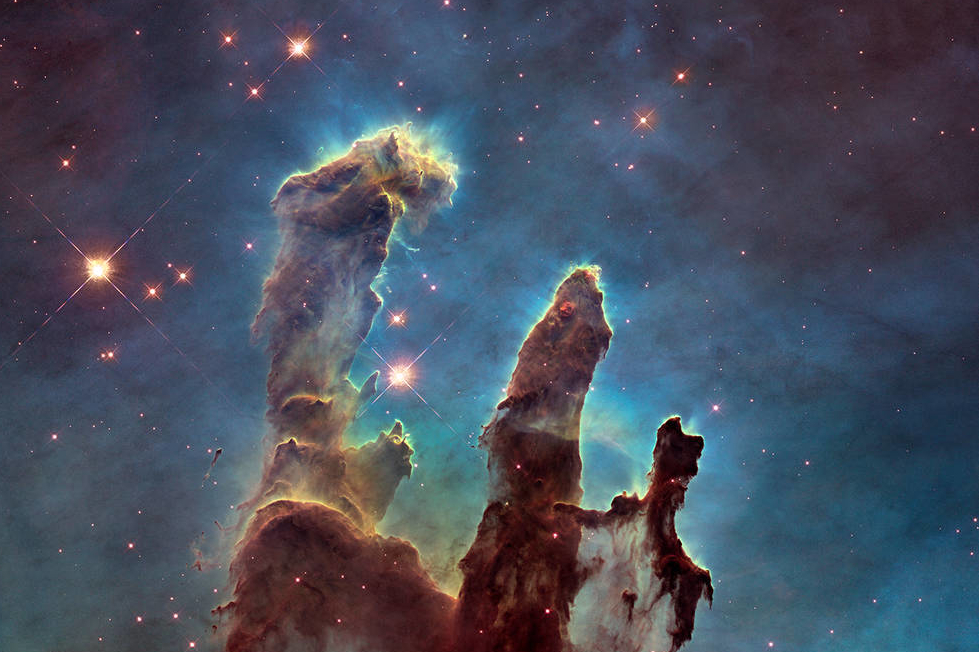

“there is no light that does not come from the midst of darkness.” – Zohar, Tetzaveh, 184
This Shabbat is the third day of Hanukkah. In traditional practice, with each night of Hanukkah we add light, symbolizing thereby the sense that, each day that it continued to shine, the light was more and more astounding. The story of this miraculous light, as told by the Sages of the Talmud, depicts the menorah in the Jerusalem temple: the seven-branched lampstand with an oil lamp at the top of each branch. Seven lights kept lit for eight days when, we are told, there was nowhere near enough oil. Each day it was expected to go out; each evening it continued to burn. The light was the same amount of light each day; it was the fact that it continued to shine at the same intensity which constituted the miracle.
Our parashat hashavua, Miketz, is always read during the holiday of Hanukkah. Naturally, we, the people of midrash, look for the meaning in this juxtaposition. The resonances we sense illuminate something about what we Jews need to learn. Others will sense other meanings; our ancient culture is among many that evoke light at this darkest time of the year. This year, sadly, the Jewish experience of darkness is one of foreboding, and of sadness for what has been lost. Whether we are contemplating the ongoing agony of Israel’s war with Hamas or the trepidation of what the 47th federal administration of the U.S. might bring, it would be understandable if we felt nothing so much as exhaustion during these days that are meant to be celebratory.
At first glance, and even upon sustained inquiry, the story of Joseph and his brothers is not one to offer easy encouragement. The brilliant modern commentator Aviva Zornberg traces in the Torah’s account of Joseph’s reunion with his brothers an uneasy detente, unreconciled hurt and trauma kept below the surface, never healed, for the sake of appearances. So much is broken; what are we left with? Even Jacob, in the same moments when he is reunited with his long lost, much loved son, complains to Pharaoh that his life has been hard and short.
In an ancient midrash that focuses upon the meeting of Joseph and Benjamin in this same uneasy family reunification, both “cry on each other’s necks” ((Bereshit Rabbah 93.12 on Gen 45.14). Why? because they can see that in the future, the sacred place built in the land of Israel in territories associated with both of their tribal descendents will be destroyed. They are weeping over the future destruction of the their family.
It’s enough to evoke existential despair: what’s the point? Why try, when the darkness will, in the end, swallow everything, and extinguish the candle that is the human soul? When all you’ve worked for isn’t enough, when the unthinkable happens and the world you’ve dreamed of will not become real, what is left? As Kohelet (Ecclesiastes) declares, nothing lasts; therefore, does anything matter?
הֲבֵ֤ל הֲבָלִים֙ אָמַ֣ר קֹהֶ֔לֶת הֲבֵ֥ל הֲבָלִ֖ים הַכֹּ֥ל הָֽבֶל׃
Only vanishing mist, vapor, says Kohelet, evanescence and mere appearance, everything is a vanishing mist.
מַה־יִּתְר֖וֹן לָֽאָדָ֑ם בְּכׇ֨ל־עֲמָל֔וֹ שֶֽׁיַּעֲמֹ֖ל תַּ֥חַת הַשָּֽׁמֶשׁ׃
Does a person benefit from all the work at which we labor under the sun? (Kohelet 1.2-3)
Jewish ethical teachings, distilled from much disappointment amid many setbacks over too many years to count, offer a different way to understand our life, and challenge the assumption that the work we do should be predicated upon the expectation of reward. The two commentaries below span two millennia of struggle to discern the meaning and purpose of life:
אַל תִּהְיוּ כַעֲבָדִים הַמְשַׁמְּשִׁין אֶת הָרַב עַל מְנָת לְקַבֵּל פְּרָס, אֶלָּא הֱווּ כַעֲבָדִים הַמְשַׁמְּשִׁין אֶת הָרַב שֶׁלֹּא עַל מְנָת לְקַבֵּל פְּרָס, וִיהִי מוֹרָא שָׁמַיִם עֲלֵיכֶם:
“Do not be like servants who serve the master in the expectation of receiving a reward, but be like servants who serve the master without the expectation of receiving a reward, and let the fear of Heaven be upon you.” (Pirke Avot 1.3)
שמעתי ממורי ששכר מצוה מצוה (אבות פרק ד’) שאין לך שכר גדול יותר מזה מה שיש לו תענוג ממצוה עצמה בעשותו אותה בשמחה, שהוא מאוד גדול, ואף אם לא היה שכר יותר היה זה עצמו די, מה גם שבאמת יש שכר עד אין תכלית על מצוה שעושין בשמחה:
(תוי”י פ’ קדושים דצ”ט ע”ד).
The Ba’al Shem Tov said, quoting Pirkei Avot (4.2) “The reward of a mitzvah is a mitzvah. There is no greater reward than that a person delights in performance of a mitzvah. This is a very great thing. Even if there were no other reward, this would be enough. How much greater is it, then, seeing that the reward for a mitzvah done joyfully is infinite.” (Toldos Yaakov Yosef, p. 99d)
It is a mitzvah to light the Hanukkah candles that evoke resilience and hope. Why are we lighting these candles that speak of hope growing in this particular defiance of the darkness? Why bother, why try?
Because there is in the doing itself a meaning, and we need it. There need not be meaning inherent in the universe for us to require it; how much more incredibly courageous it is, then, to built our house of mitzvot and infuse it with meaning beyond any expectation that “everything will be all right” or that we can confidently expect some prosperity gospel to come true for us.
This is the higher awe that the mystic Joseph Gikatilla describes in his explanation of the sefirot:
יראה חיצונית, אהבה למעלה ממנה, יראה פנימית, עולה למעלה מן האהבה
“There is external fear (of suffering), and there is love, which transcends it. However, there is an inner fear, that is, awe, that ascends even higher than love.” (Shaarey Orah, Ninth Gate, 67)
The fear that life is without reward, perhaps even without meaning, is actually a very low level of spiritual development. The higher level, which is beyond even a kind of love, or enjoyment, of the mitzvot one does for some aesthetic or emotional reason, is of an awe that quiets the self and all its fears. There are things that will always be beyond us. It is not up to us to master them, or anything. A life is a gift; all we have to do is to act in ways that honor that gift. That is the offering we bring to the universe, and to each other.
ס֥וֹף דָּבָ֖ר הַכֹּ֣ל נִשְׁמָ֑ע אֶת־הָאֱלֹהִ֤ים יְרָא֙ וְאֶת־מִצְוֺתָ֣יו שְׁמ֔וֹר כִּי־זֶ֖ה כׇּל־הָאָדָֽם׃
The end of the thing, when everything has been heard, is to be in awe of God and to observe the mitzvot, for this is all that a person is. (Kohelet 12.13)
Light the lights. Light all the lights. It does matter. These lights are holy.
 Torah for the 21st Century by Rabbi Ariel Stone