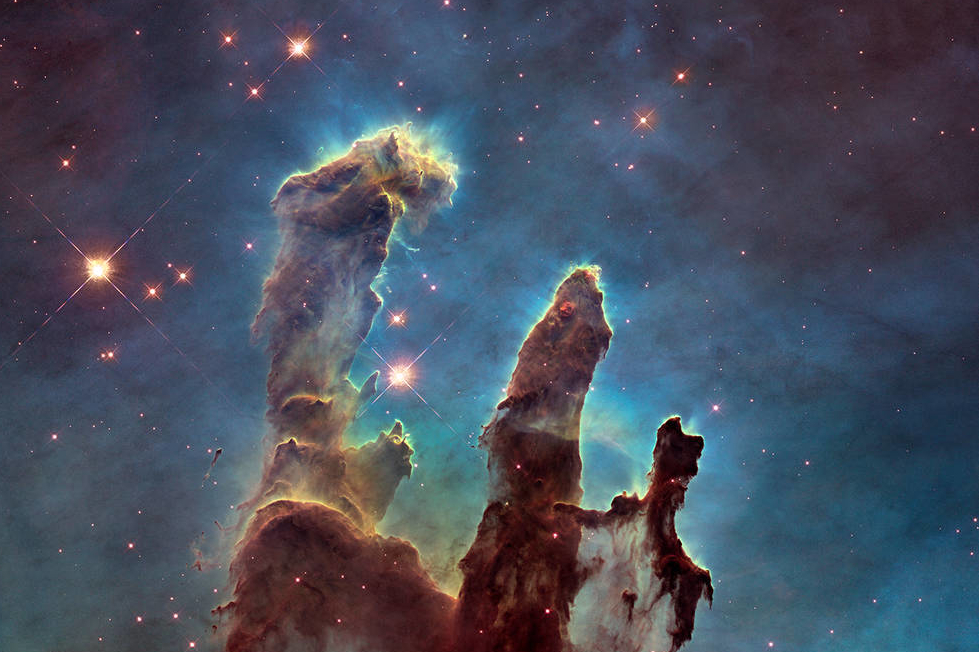
Could be worse; could be raining.
Young Frankenstein
וַיֹּ֨אמֶר ה’ אֵלַ֗י מָֽה־אַתָּ֤ה רֹאֶה֙ עָמ֔וֹס וָאֹמַ֖ר אֲנָ֑ךְ וַיֹּ֣אמֶר א’ הִנְנִ֨י שָׂ֤ם אֲנָךְ֙ בְּקֶ֙רֶב֙ עַמִּ֣י יִשְׂרָאֵ֔ל לֹא־אוֹסִ֥יף ע֖וֹד עֲב֥וֹר לֽוֹ׃
HaShem said unto me: ‘Amos, what seest thou?’ And I said: ‘A plumbline.’ Then said Hashem: Behold, I will set a plumbline in the midst of My people Israel; I will not again pardon them any more. – Amos 7.8
Twenty-three and a half years ago, a major Israeli newspaper ran a prophetic text as a full-page presentation on the first page of its weekend edition.
שִׁמְעוּ־נָ֣א זֹ֗את רָאשֵׁי֙ בֵּ֣ית יַעֲקֹ֔ב וּקְצִינֵ֖י בֵּ֣ית יִשְׂרָאֵ֑ל הַֽמְתַעֲבִ֣ים מִשְׁפָּ֔ט וְאֵ֥ת כׇּל־הַיְשָׁרָ֖ה יְעַקֵּֽשׁוּ׃
Hear this, you rulers of the House of Jacob, you chiefs of the House of Israel, who detest justice and make crooked all that is straight,
בֹּנֶ֥ה צִיּ֖וֹן בְּדָמִ֑ים וִירוּשָׁלַ֖͏ִם בְּעַוְלָֽה׃
Who build Zion with crime, Jerusalem with iniquity
רָאשֶׁ֣יהָ ׀ בְּשֹׁ֣חַד יִשְׁפֹּ֗טוּ וְכֹהֲנֶ֙יהָ֙ בִּמְחִ֣יר יוֹר֔וּ וּנְבִיאֶ֖יהָ בְּכֶ֣סֶף יִקְסֹ֑מוּ וְעַל־ה’ יִשָּׁעֵ֣נוּ לֵאמֹ֔ר הֲל֤וֹא ה’ בְּקִרְבֵּ֔נוּ לֹֽא־תָב֥וֹא עָלֵ֖ינוּ רָעָֽה׃
Her rulers judge for gifts, her priests give rulings for a fee, and her prophets divine for pay;
Yet they rely upon HaShem, saying, “HaShem is in our midst; no calamity shall overtake us.”
לָכֵן֙ בִּגְלַלְכֶ֔ם צִיּ֖וֹן שָׂדֶ֣ה תֵֽחָרֵ֑שׁ וִירוּשָׁלַ֙͏ִם֙ עִיִּ֣ין תִּֽהְיֶ֔ה וְהַ֥ר הַבַּ֖יִת לְבָמ֥וֹת יָֽעַר׃
Assuredly, because of you Zion shall be plowed as a field,
Jerusalem shall become heaps of ruins and the Temple Mount a shrine in the woods.
Micah 3.9-12
Israel and Palestine were suffering in the Second Intifada; the daily occurrence of death and destruction throughout the land between the river and the sea was horrific (here is a list of only those attacks that caused death: Israel and Palestine conflict 2002).
The prophet Micah probably got about as much result from the original utterance as the editorial board of that Israeli newspaper got. It is shocking to consider how much more death and destruction has occurred since that day. What could be worse than this horrifying, seemingly unending cycle of madness and death?
As we enter the period of the Three Weeks leading to Tisha B’Av, there is perhaps only one small consolation for us as a Jewish people, watching from afar and mostly helplessly as the Jewish state does terrible things in our name: we, the Jewish people, may be as capable as any other people of inflicting injustice, as well as suffering from it. But we also have in our tradition the greatest clarity about that injustice ever expressed in the Western world.
Things are bad, both in Israel and Palestine, and right here in the U.S. Probably the situation will get worse. We are a long-lived people, who have no excuse for not recognizing the historical arcs that sometimes rise and sometimes dip into a terrifying abyss of evil. There is no way to stop it; human society goes through convulsions such as this.
But for us Jews, and those who love them, it could be worse. We could be without a plumb line, a measuring tool by which to face our reality. But we are not, and this we know: as sure as gravity is still gravity, justice is still justice, even when we can see that it does not exist in human relationships.
As sure as the sun is still shining somewhere, Zion will not be built with crime; the U.S. will not be prosperous with cruelty. We have been around long enough to see this truth, time after time. There is a reason that we rejoice to see a news article that demonstrates that ancient humans had compassion; there is a reason that we are disappointed when an ethical leader falls into corruption. All is not relative; justice is good, and mercy is necessary.
הִגִּ֥יד לְךָ֛ אָדָ֖ם מַה־טּ֑וֹב וּמָֽה־יְהֹוָ֞ה דּוֹרֵ֣שׁ מִמְּךָ֗ כִּ֣י אִם־עֲשׂ֤וֹת מִשְׁפָּט֙ וְאַ֣הֲבַת חֶ֔סֶד וְהַצְנֵ֥עַ לֶ֖כֶת עִם־אֱלֹהֶֽיךָ׃
You have been told, O mortal, what is good, and what GOD requires of you: only to do justice and to love goodness, and to walk modestly with your God. – Micah 6.8
We are not speechless, we are not hopeless. We do not have to look away from what is happening. To look, despite the sadness, is to understand and embrace that life is hard, and complicated, and that this truth does not cancel out the truth that love is necessary, and life is good, and that we can only build a better life for us all by facing, and facing down, what is evil.
As we contemplate the difficult truths of the Three Weeks’s message, let’s be grateful for a tradition that insists that we are strong enough: strong enough to face the complex truth of human life, and strong enough to believe in love, even then. Hold on, and hold on to the knowledge that you are not alone. You belong to a people that wrests meaning from catastrophe, and refuses to give in to the chaos in which evil thrives. You are part of the stubborn, stiff-necked people who could leave behind this anonymous writing, found in a concentration camp:
I believe in the sun
even when it is not shining
And I believe in love,
even when there’s no one there.
And I believe in God,
even when God is silent.
 Torah for the 21st Century by Rabbi Ariel Stone