
These are the journeys of the people of Israel (Num. 33.1) These journeys are a hint to us of redemption, and they offer a means toward atonement. One who must move from one place to another must continue to find a way to study Torah in that new place. Your slogan for this: tze ulmad, “go and learn.” (After the Shela”h)
We human beings can get pretty dependent upon habit in our lives. In a room where people return week after week like a shul, there are those who end up in the same seat, regularly. It can even happen that a new person might find themselves asked to move, since “you sat in my regular seat.”
There’s a certain comfort in regularity. The sun appears every morning in the sky. We get used to seeing the same surroundings where we live. We draw comfort from a certain predictability in our days. It is understandable that when change surprises us, we may not be entirely happy about it.
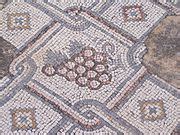
If knowing what’s around the bend is the only consolation of movement through life, these days are terribly discomfiting. We may joke about the inevitability of change, but it doesn’t mean that we’re reconciled to it. Something in us wants to stay put, as the profound symbolism of the vine and the fig tree reveal; since it takes years for these two to grow, if one is able to sit under them, it is a sign that one has not had to move for some time. That, for our ancestors, was the definition of peace.
Yet we inherit two thousand years of wandering through one land after another, during our ancestors had many opportunities to consider the meaning of journeying, both according to plan or against one’s will. As a product of the high value Ashkenazi culture placed on education, the Shela”h, Rabbi Isaiah Horowitz (author of Shnei Luhot haBrit) saw clearly that even as our ancestors managed to study Torah in new places and new situations, so must we.
It’s a natural Jewish stubbornness that refuses to go along with change in this one, essential way. Rather than invest our love in wood and stone buildings, we’ve learned that the only thing that we will not lose with change is what we can carry. Torah, in our hearts and minds, and in a scroll that is eminently portable (and these days in a computer or smartphone!). What we’ve learned we can cling to is the regular study of Torah, which will not change, although its surroundings and context inevitably must.
The clickbait sources around us tell us that the world will end tomorrow; the more complicated and difficult truth is that the world will continue, and that some of us will continue to do just fine in these distressing days. There is some consolation to be gained in learning that, while great things fall apart, we can still depend upon Torah study.
Some will insist that the rule of law is ended, and nothing matters any more. This is just false prophecy; we’ve seen that before. Some will declare that we live in unprecedented times; Jews have been around long enough to know that “there is nothing new under the sun” as Kohelet wrote.
Your life is changing? Tze ulmad, go forth and learn from it, learn in it, learn through it. Let Torah remind you that the truth, or what shades of it we’re able to discern, is bigger and more complicated than any habit or any predictability. As our ancestors have already pointed out, we are a people that wanders, and we have discovered, time and again, that certainty is not tied to a specific place or way or habit, but of keeping one’s orientation away from Egypt, and toward HaShem. Holding on to Torah is all that can help us maintain certainty. It will always be true that murder is wrong, and that what is done will echo back upon us:
וְלֹֽא־תַחֲנִ֣יפוּ אֶת־הָאָ֗רֶץ אֲשֶׁ֤ר אַתֶּם֙ בָּ֔הּ כִּ֣י הַדָּ֔ם ה֥וּא יַחֲנִ֖יף אֶת־הָאָ֑רֶץ וְלָאָ֣רֶץ לֹֽא־יְכֻפַּ֗ר לַדָּם֙ אֲשֶׁ֣ר שֻׁפַּךְ־בָּ֔הּ כִּי־אִ֖ם בְּדַ֥ם שֹׁפְכֽוֹ׃
You shall not pollute the land in which you live; for blood pollutes the land, and the land can have no expiation for blood that is shed on it, except by the blood of the one who shed it. (Num. 35.33)
During these Three Weeks of Trepidation before the awful day of Tisha B’Av, there is no way to find consolation. We are part of systems that do violence and cause misery and death beyond our ability to comprehend. We are, mostly and most of the time, helpless to stop the evil. All we can do, and what we must habitually, regularly do, is to hold on to our humanity, to remember that all human beings are created in the Image of the Divine. Everyone deserves to sit under a vine and fig tree, with none to make them afraid.
 Torah for the 21st Century by Rabbi Ariel Stone