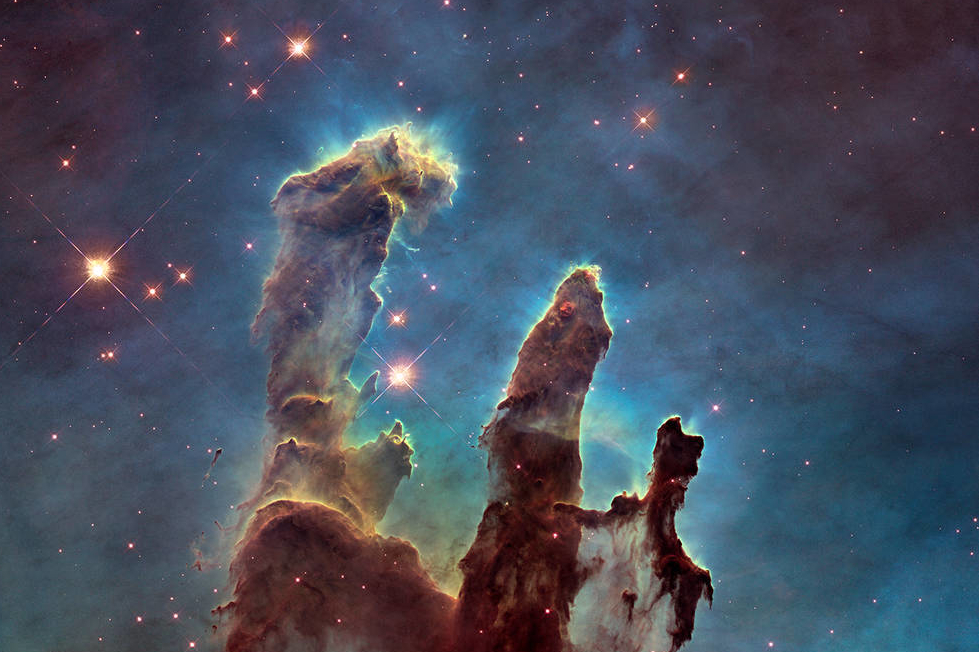
| “‘Where is the dwelling of G*d?’ This is the question with which the Rabbi of Kotzk surprised a number of learned scholars who happened to be visiting him. They laughed at him: ‘What a thing to ask! Is not the whole world full of G*d’s glory?’ Then he answered his own question: ‘G*d dwells wherever we let G*d in’ (Martin Buber, The Way of Man according to the Teachings of Hasidism) |
On this Shabbat we immerse ourselves in parashat VaYakhel-Pekudey, a double parashah that preserves a long and carefully detailed description of the building of the Mishkan, the portable sanctuary space created for HaShem. The Torah records HaShem commanding that it be done in order to accommodate the Divine among us.
וְעָ֥שׂוּ לִ֖י מִקְדָּ֑שׁ וְשָׁכַנְתִּ֖י בְּתוֹכָֽם
And let them make Me a sanctuary that I may dwell among them (Exodus 25.8)
Yet does a human-made structure really have the capacity to contain the Divine? The Book of Isaiah mocks the very thought:
כֹּ֚ה אָמַ֣ר יְהֹוָ֔ה הַשָּׁמַ֣יִם כִּסְאִ֔י וְהָאָ֖רֶץ הֲדֹ֣ם רַגְלָ֑י אֵי־זֶ֥ה בַ֙יִת֙ אֲשֶׁ֣ר תִּבְנוּ־לִ֔י וְאֵי־זֶ֥ה מָק֖וֹם מְנוּחָתִֽי׃
Thus said HaShem: heaven is My throne, earth is My footstool: Where could you build a house for Me, what place could serve as My abode? (Isaiah 66.1)
These two verses stand at opposite ends of the tension inherent in Jewish theology: we have a sense of the holy being part of us, close to us, with us, but also of a vastness and awe that cannot be contained – what Rudolf Otto called in his 1917 study The Idea of the Holy a sense of mysterium tremendum, which he found equally potential in all living spiritual settings.
Ever since the Golden Calf, our people has been aware that we need a physical something to focus upon when we seek the holy which is both within and beyond us, and our connection to it. Our tradition preserves the sense that it’s not the building itself, though. After all, HaShem’s first holy space among us is a glorified tent.
So what’s with all the bricks and mortar? The soaring spaces and sprawling edifices? Partly, erecting impressive buildings make the people who build them feel impressive. But – and for us Jews this is a real caveat – one of the most impressive synagogue structure types was created for defensive purposes. More than one of the surviving shuls of Eastern Europe looks like a castle. During dangerous times, when the cossacks, or some other evil of the moment, threatened, the Jews would barricade themselves inside shuls that were massive, solid, and impenetrable (often enough, the rest of the village would come along with them!).
Today too many big, strong, impressive buildings – shuls, churches, business centers and community halls – have outlasted their people, for, as we know, no edifice, no matter how impressive, can withstand the larger social forces that either fill it with life or empty it of hope.
No building can be made completely safe. Whether a tent in the wilderness or the great Temple in Jerusalem, we know well that they can all be destroyed. May what we choose to do with and within our buildings be worthy of our presence there, and may our presence there together lift us, with the help of the divine within and beyond us, past our fears of all that we cannot control, toward the joy of sharing what we can: our love, our hope, our hearts.
 Torah for the 21st Century by Rabbi Ariel Stone