
וַיִּקַּ֣ח קֹ֔רַח בֶּן־יִצְהָ֥ר בֶּן־קְהָ֖ת בֶּן־לֵוִ֑י
Now Korah, son of Izhar son of Kohath son of Levi, took… (Numbers 16.1)
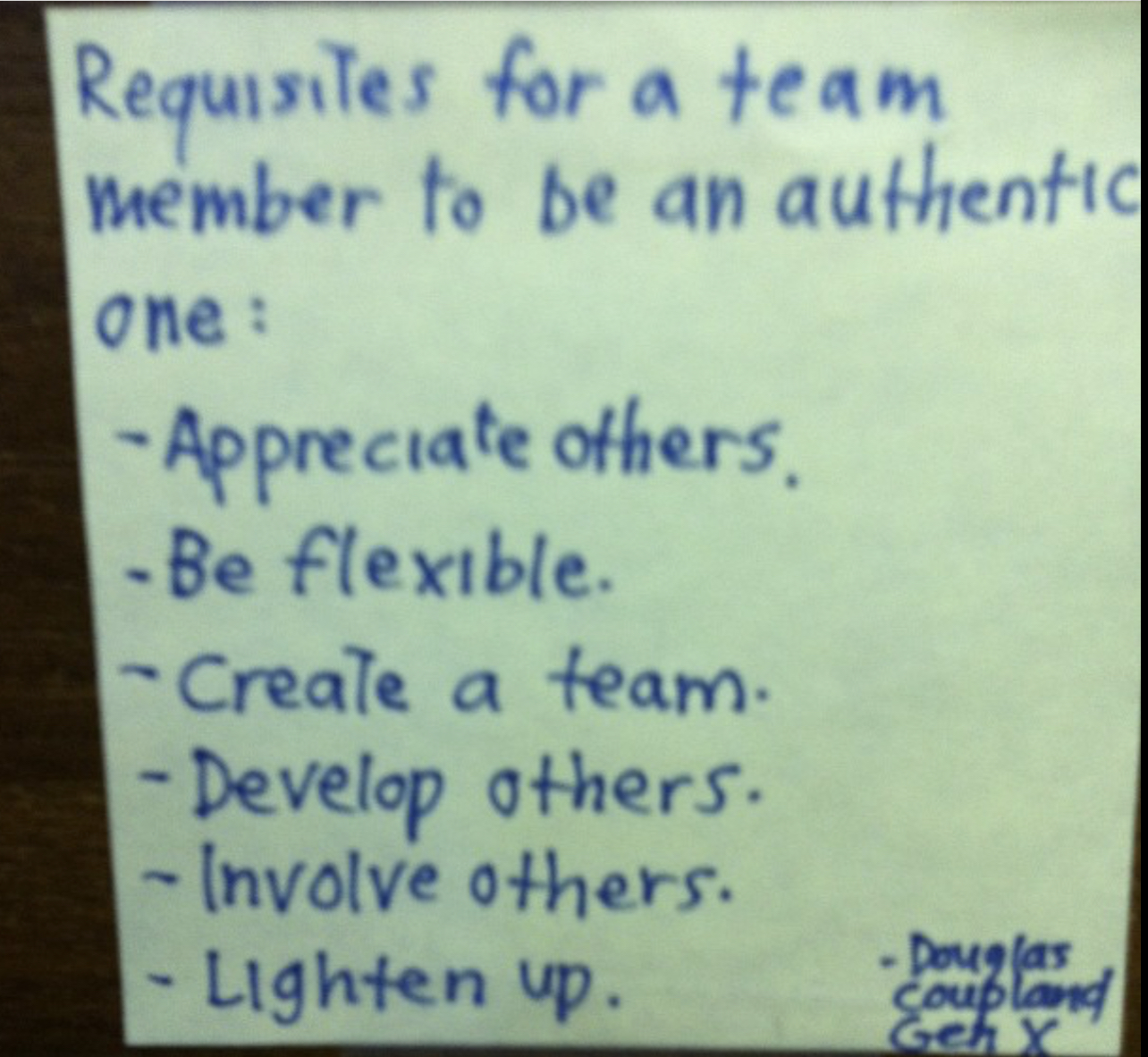
found on a wall at a resistance gathering in October 2021, Portland Oregon
The parashah for this week’s learning is Korakh, named for the leader of a rebellion against Moshe. It’s not the first rebellion nor will it be the last, but this is the only time the parashah is named for the rebel leader. This is not necessarily an honor! However, for whatever reason, it is a story irretrievably linked with this name.
Many reasons have been explored for the fact that Korakh’s rebellion becomes the paradigmatic one.
By name, Korakh is a Levite, that is, cousin to Moshe. One thread of midrash therefore explores the possibility of unresolved family tension: why you and not me, when we’re members of the same family?
The Talmud defines an argument which is expressed by the idiom “not for the sake of heaven”, which is to say, cynically self-interested rather than for the common good, from this verse. Korakh, they suggest, only pretended to be arguing for the people, when in reality he was only looking for his own aggrandizement. From this we learn that a good Jewish argument, that is to say an ethical process of disagreement, requires that it be “for the sake of heaven”, rather than for one’s own sake.
Another way to learn one’s way through this story is by the content of the complaint: “all the people are holy, why do you raise yourselves up above them?” (Numbers 16.3) There are those who find no fault in this argument. After all, as he said, all the people were at Sinai, all the people are holy. Is Korakh not, after all, insisting that all are created equal? is he not simply arguing for democracy?
Perhaps he was right, we think, but at the wrong time, or in the wrong way; rather than lead a popular rebellion, maybe begin a movement for elections.
There is another insight waiting for us, prompted by the hint that the verb referring to the rebellion is in the singular. In our own individualistic world, perhaps it is the most telling one:
ויקח קרח… לא כתוב ויקחו קרח וכו’ דתן ואבירם, אלא ויקח קרח, בלשון יחיד. שכל אחד ואחד משך במחלוקת זו לצד עצמו, כל אחד היה ״צד״ לעצמו (ר’ צבי הירש קלישר)
“Now Korah took”…it is not written “Korakh, Datan and Aviram took” in the plural, but rather “Korah took” in the singular. This indicates that each person in the rebellion took his own side, each was a “side” until himself. – Rabbi Tzvi Hirsch Kalischer
The words used to indicate the rebel group – kahal, eydah – are perfectly good Hebrew words to indicate the synergistic possibilities of the community. Kehillah is the Hebrew word used for a shul, and eydah is a word that echoes the word eyd, “witness”. The concept of a witnessing community is powerful, and does indeed recall Sinai.
Yet the story is introduced in the singular. Something is wrong here. The evocation of community is only a surface impression; it is not real. It cannot hold, much less carry forward an honorable intent.
לכן אמרו ״איזוהי מחלוקת שאינה לשם שמים זו מחלוקת קרח וכל עדתו (אבות ה,יז) היה צריך לומר מחלוקת קרח ומשה. אלא שבתוך עדת קרח גופא היתה המחלוקת: כל אחד ביקש הכבוד לעצמו. מכאן ראיה שלא נתכוונו לשם שמים.
(יערות דבש)
Thus is it written “what is the argument which is not for the sake of heaven? that of Korakh and his group” (Avot 5.17). It should say “the argument of Korah and Moshe.” But within Korakh’s group itself, there was an argument: each of them was after the glory for himself. From here we see that there was no honorable intent. – Ya’arot D’vash
All this in contrast to the ancient teaching כל ישראל ערבים זה לזה kol Yisrael arevim zeh lazeh, “all Israel are guarantors, each for the other”. This understanding appears both in midrash and in (binding) halakhah. In Jewish community, the idea survives today in the Jewish legal expectation that any Jew can financially back another Jew’s loan, as guarantor. What this means is that in many Jewish communities there is a no-interest loan that any Jew can apply for as long as another Jew will commit to covering the loan in case the first Jew cannot repay it.
It seems to be the opposite of self-interest, but in truth it speaks a deeper wisdom: unless we care for each other as we wish to be cared for ourselves, none of us will thrive. On this Juneteenth holiday observed by the U.S. as the end of official slavery, we can do no better than to observe it by carefully discerning the ways in which our support for equality goes deeper than our own obvious self-interest. Standing up for equality for all is a good-looking posture, after all; but it’s all Korakh, surface impressions, if we aren’t willing to actually be guarantors for each other. In the Jewish community, for sure, but also, we need to learn, for all of us who struggle in our own ways to move the U.S. toward a true understanding of “liberty and justice … for all.”

