
פִּֽינְחָ֨ס בֶּן־אֶלְעָזָ֜ר בֶּן־אַהֲרֹ֣ן הַכֹּהֵ֗ן הֵשִׁ֤יב אֶת־חֲמָתִי֙ מֵעַ֣ל בְּנֵֽי־יִשְׂרָאֵ֔ל בְּקַנְא֥וֹ אֶת־קִנְאָתִ֖י בְּתוֹכָ֑ם וְלֹא־כִלִּ֥יתִי אֶת־בְּנֵֽי־יִשְׂרָאֵ֖ל בְּקִנְאָתִֽי
“Pinhas, son of Elazar son of Aaron the priest, has turned back My wrath from the Israelites by displaying among them his passion for Me, so that I did not wipe out the Israelite people in My passion” (Numbers 25.11)
אָמַר רַבִּי סִימוֹן, בְּשָׁעָה שֶׁבָּא הַקָּדוֹשׁ בָּרוּךְ הוּא לִבְרֹאת אֶת אָדָם הָרִאשׁוֹן, נַעֲשׂוּ מַלְאֲכֵי הַשָּׁרֵת כִּתִּים כִּתִּים, וַחֲבוּרוֹת חֲבוּרוֹת, מֵהֶם אוֹמְרִים אַל יִבָּרֵא, וּמֵהֶם אוֹמְרִים יִבָּרֵא, הֲדָא הוּא דִכְתִיב (תהלים פה, יא): חֶסֶד וֶאֱמֶת נִפְגָּשׁוּ צֶדֶק וְשָׁלוֹם נָשָׁקוּ. חֶסֶד אוֹמֵר יִבָּרֵא, שֶׁהוּא גּוֹמֵל חֲסָדִים. וֶאֱמֶת אוֹמֵר אַל יִבָּרֵא, שֶׁכֻּלּוֹ שְׁקָרִים
Rabbi Simon said: When the Holy Blessed One came to create the first human, the ministering angels divided into various factions and various groups. Some of them were saying: ‘Let it not be created,’ and some of them were saying: ‘Let it be created.’ That is what is written: Hesed [Kindness] and Emet [truth] met; righteousness and peace touched (Psalms 85:11). Hesed said: ‘Let it be created, as it performs acts of kindness.’ Emet said: ‘Let it not be created, as it is all full of lies.’ – Bereshit Rabbah 8.5
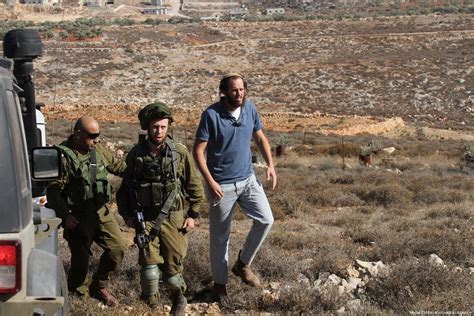
Israeli settlers kill Palestinian farmer – 48 year old Mahmoud Ahmad Zaal Odeh was tending to his crops in a village near Nablus
Our parashah this week begins in the aftermath of yet another event of communal upheaval. Once again, HaShem is dismayed by the behavior of the people, and once again there is violence and death. We have seen in earlier times of discord that those who are guilty are punished and those who are innocent are lifted up. The scouts and those who believed them are doomed to die in the wilderness; Aaron’s rod flowers while Korakh and his followers are swallowed up by the earth; and now a plague breaks out upon those who chose to undermine Israelite ethics and practices.
In this last case, the violence of the event reaches a disturbing peak, when Pinhas, the hero of the story for whom the parashah is named, takes a spear and runs it through two people. The aftermath of the event is at least as troubling, as HaShem responds by apparently promoting the murderer to a special sort of priesthood:
הִנְנִ֨י נֹתֵ֥ן ל֛וֹ אֶת־בְּרִיתִ֖י שָׁלֽוֹם׃ וְהָ֤יְתָה לּוֹ֙ וּלְזַרְע֣וֹ אַחֲרָ֔יו בְּרִ֖ית כְּהֻנַּ֣ת עוֹלָ֑ם תַּ֗חַת אֲשֶׁ֤ר קִנֵּא֙ לֵֽאלֹהָ֔יו וַיְכַפֵּ֖ר עַל־בְּנֵ֥י יִשְׂרָאֵֽל
“I grant him My pact of friendship. It shall be for him and his descendants after him a pact of priesthood for all time, because he took impassioned action for his God, thus making expiation for the Israelites” (Numbers 25.12-13)
The reaction of the Sages is horrified, and throughout Talmud and other later commentary they seek to isolate Pinhas’ behavior, so that it cannot be allowed to set a precedent (see BT Sanhedrin 82a). If Torah did not record that HaShem rewarded him, Pinhas would have been liable for murder.
The ethical vertigo caused us by this passage is strongly reminiscent of our own day, in which murderers are too often praised and their crimes rewarded when they suit the political agenda of those in power: Kyle Rittenhouse and others lionized by MAGA Republicans, Moshe Sharvit by Israeli rightwingers who seek to annex the West Bank to Israel and drive out those Palestinians who live there.
Against all this ominous background, the 250th anniversary of the founding of the United States of America occurs this Shabbat, 19 Tammuz. The date is tellingly close to that of the Fast Day of 17 Tammuz, preserved in the memory of the people of Israel forever as the day when the Roman legions breached the walls of Jerusalem. Within a month of this day, the city and the Temple were destroyed, most of the people dead or deported, and home was lost to us for two thousand years.
This, too, is too strongly reminiscent of our own fears for the society in which we live, and the communities we care about. So much seems so far gone already, and the scale of the crisis seems very much like the world-ending moment in which Pinhas acted – and in which his act was praised as restoring order.
Change, and the social upheaval that comes with it, is frightening. Those who lift up people like Pinhas and Rittenhouse and Sharvit do so out of fear of that change and what they believe it portends for them. How appropriate it is, then, that with the 17th of Tammuz we begin a period known as the Three Weeks, in which our rituals and practices reflect the fearful anticipation of inevitable destruction. It took only three weeks for the Roman carnage to overwhelm Jerusalem, and our people has carried that intergenerational trauma ever since.
Yet, with all that, Maimonides taught that the 17th of Tammuz does not come to mourn; it is a wake-up call to consider and correct our treatment of others.
“The fast day’s purpose is to arouse our hearts and lead us toward the path of repentence. This will serve as a reminder of the wicked conduct of our ancestors, which resembles our present conduct, and therefore brought these troubles upon them and upon us.” (Laws of Fasts 5.1)
“Our present conduct” does not mean that we are all equally at fault for evil, but rather than all of us suffer from the evil perpetrated by those among us who are enabled by the society we live in together to carry it out. To “arouse our hearts” means that we must turn aware from despair, and continue to care.
We know through all the prophets that we are to do justice, to seek it out and to pursue it. Similarly, we know that US justice is not brought about by the second amendment, and that Israeli justice, if it would uphold the ethics of the Jewish state specified in its own declaration of independence, must respect the wellbeing of Palestinians as Israelis expect their own wellbeing to be respected.
In short, the story of Pinhas does not fit, and no amount of massaging the text will help. Perhaps the best way to deal with it is to remember that even the Patriarch Abraham misunderstood what HaShem was saying in the story of the Akedah; maybe we have missed the point of the Pinhas story. Maybe it’s not that Pinhas is the hero. Maybe he’s just the grim example of what happens when we let fear overwhelm our knowledge of what is right, and end up making of heroes of those who were better never heard of.

